
Foggy Window Repair: What Fixes It and What Doesn’t
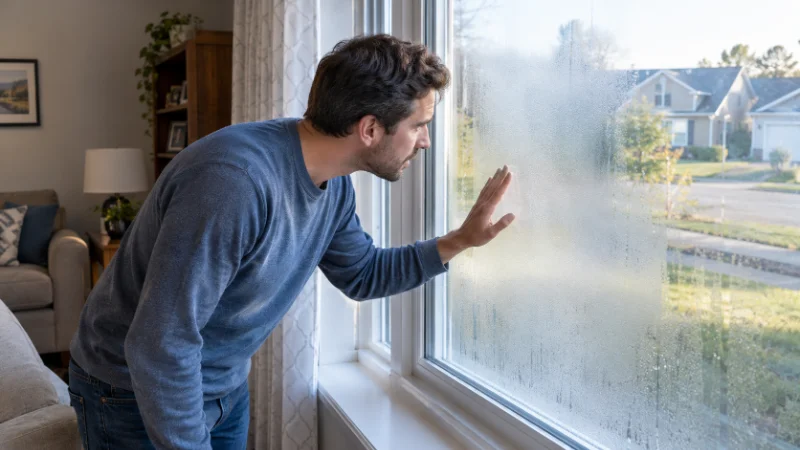
A foggy window between the glass panes means the seal on that insulated glass unit has failed and moisture has gotten trapped inside. Foggy window repair can sometimes clear the haze for a while, but in most cases, full clarity only comes back once the glass unit itself is replaced.
This guide walks through why the fog shows up, which repair options are worth trying, what they cost across the US, and when it makes more sense to skip repair and replace the unit outright.
Why Windows Fog Up Between the Panes
Most modern windows use two or three panes of glass with a sealed gap between them, filled with air or an insulating gas like argon. A strip called a spacer, usually holding a desiccant that absorbs stray moisture, sits at the edge and keeps that gap sealed off from the outside.
Over years of temperature swings, the seal around that spacer dries out, shrinks, or cracks. Once it breaks, outside air and moisture work their way into the gap. The desiccant inside the spacer can only soak up so much before it’s saturated, and after that point, condensation starts collecting on the inner glass surfaces where nobody can wipe it off.
Heat cycling is the main driver. A window that faces direct afternoon sun, or one on a wall with poor flashing, tends to fail years before a shaded window of the same age and brand. Cheaper vinyl and aluminum spacer systems also fail sooner than the newer foam or stainless steel spacer bars used in higher-end units.
Can Foggy Window Repair Actually Fix the Problem
There are two real paths here: treat the symptom or replace the failed part. Both count as foggy window repair, but they solve different problems at different price points.
1. Defogging Kits and Drilled Vents
A defogging service drills a small hole into the outer pane, sprays a cleaning solution into the sealed cavity to clear the fog and mineral deposits, then reinstalls a one-way valve or vent to let moisture escape going forward. It costs far less than a new glass unit, often between 60 and 150 dollars per window depending on the company and region.
The catch is that the seal is already broken by the time fog appears, and drilling a vent doesn’t restore that seal. It just gives trapped humidity somewhere to go instead of building up on the glass. Some homeowners get a few clear years out of this. Others see haze return within a single humid summer, especially on south-facing windows.
2. Sash and Glass Unit Replacement
Replacing just the insulated glass unit (IGU) while keeping the existing window frame is the fix that actually addresses the failed seal. A technician measures the opening, orders a new sealed unit built to match, and swaps it into the existing sash. This restores the original seal, gas fill, and clarity, and it usually comes with a manufacturer warranty again.
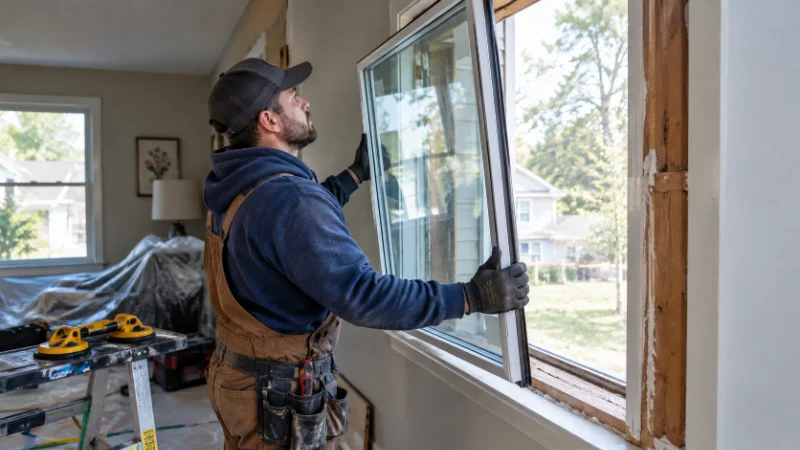
This route runs higher than a defogging kit, generally 150 to 450 dollars per pane for standard residential sizes, more for large picture windows, tempered safety glass, or custom shapes. For a window that’s otherwise in good shape (solid frame, working hardware, no rot), this is usually the better long-term move over a vent kit.
How Much Foggy Window Repair Costs in the US
Pricing varies by region, glass size, and whether the frame needs any work alongside the glass. As a rough national picture:
Defogging or drilled-vent service: 60 to 150 dollars per window. IGU (glass-only) replacement: 150 to 450 dollars per pane. Full window replacement (frame and glass): 300 to 1,200 dollars or more per window, depending on material and size
Labor tends to run higher in dense coastal metro areas and lower in the Midwest and South. Custom shapes, grid patterns, tempered or laminated safety glass, and low-E coatings all push the price up regardless of location. Getting two or three local quotes before booking is worth the time, since pricing for the same job can differ by more than a hundred dollars between companies in the same city.
DIY Fixes vs Calling a Professional
A few DIY tricks show up in home forums: drilling a small hole and using a hair dryer to force out moisture, or applying a moisture-absorbing product near the vent hole. These can temporarily reduce visible fog, but they don’t reseal the unit, and an improperly placed hole can crack the glass or let in dust and insects.
Professional foggy window repair matters most when the window is tempered (required near doors, stairs, and low to the floor under most US building codes), when the frame is a specialty size, or when a manufacturer warranty is still active and DIY work would void it. A licensed technician also carries the tools to handle large or heavy glass safely, which matters for picture windows and patio doors.
For a single small window in a low-traffic spot, a basic DIY defog attempt is low risk. For anything load-bearing, tempered, oversized, or still under warranty, calling a professional protects both the glass and the warranty.
How to Prevent Windows From Fogging Again
Seal failure is largely a matter of time and heat exposure, so prevention is about slowing the clock rather than stopping it entirely. Keeping exterior caulk and weatherstripping in good shape reduces the temperature swings the spacer seal has to absorb. Trimming back plants or awnings that trap humid air against the glass helps too, particularly on shaded, north-facing windows where moisture lingers longer.

Choosing units with stainless steel or foam spacers instead of older aluminum spacers when replacing glass also extends the seal’s working life, since those materials expand and contract less with temperature changes. A 10-year or longer seal warranty from the manufacturer is a reasonable baseline to look for on any replacement glass ordered today
When Replacement Makes More Sense Than Repair
Repair earns its keep when the frame, hardware, and weatherstripping are still solid and only the glass has failed. Once a window shows other signs of age, cracked or rotting frame material, hardware that no longer locks tightly, or drafts around the edges even with the sash closed, spending money on new glass alone tends to be a short-term patch on a bigger problem.
Age is a useful marker too. Insulated glass units typically carry a 10- to 20-year seal life depending on quality and exposure. A window already at or past that mark that fogs up is often close to needing full replacement anyway, so paying for glass-only repair may mean paying twice within a few years.
For a newer window (under 10 years old) with a single failed pane and everything else intact, glass replacement is the more cost-effective choice. For an older window nearing the end of its expected seal life, full replacement usually delivers better value over the next decade than repeated repairs.