30 Seconds Outdoor Cleaner: Full Guide, Uses & Results
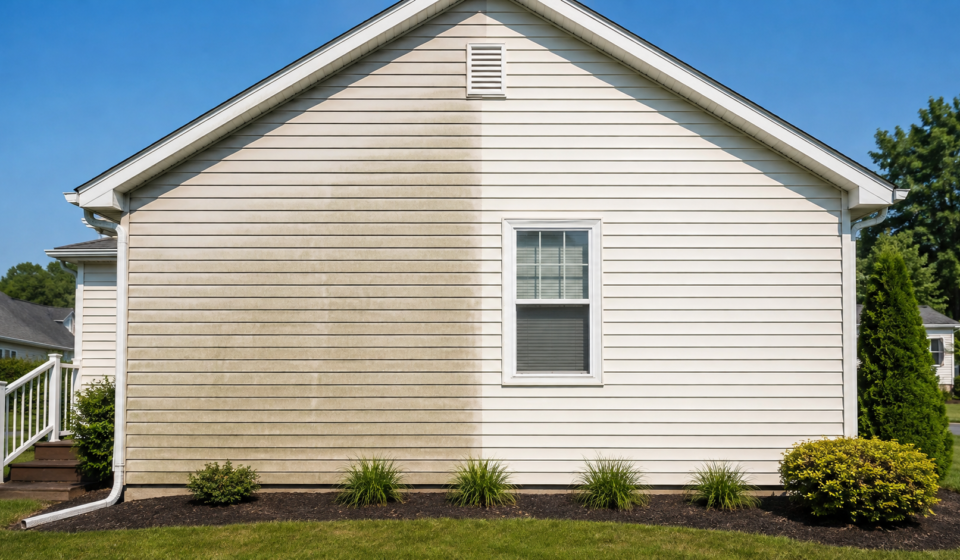
Green streaks on your siding, black spots on your deck boards, and a driveway that looks permanently dirty usually aren’t dirt at all. They’re algae, mold, and mildew feeding on moisture trapped in porous outdoor surfaces. 30 Seconds Outdoor Cleaner is built specifically for that problem. Instead of blasting the growth off with water pressure, it uses a bleach-based active ingredient to break the organic buildup down at the surface, so you rinse it away rather than fight it off.
This guide covers exactly how the product works, where it performs best, how to mix and apply it correctly, and where a pressure washer or a different cleaner is actually the smarter choice.
What 30 Seconds Outdoor Cleaner Actually Does
The product’s concentrate formula relies on sodium hypochlorite, the same class of active ingredient found in household bleach, though the exact inert and proprietary ingredients aren’t disclosed on the label. That active ingredient oxidizes the cell structure of algae, mold, and mildew on contact, which is why the product produces visible lightening within minutes on most surfaces rather than requiring days to work.
This is a different mechanism than a pressure washer, which physically strips buildup off through water force alone. A pressure washer can leave the mold and algae spores intact even after the visible growth is gone, so regrowth often returns faster. Because 30 Seconds Outdoor Cleaner kills the organism itself, the surface tends to stay cleaner longer, particularly on wood, siding, and stucco where pressure washing can also cause physical damage.
1. Where the Name Comes From
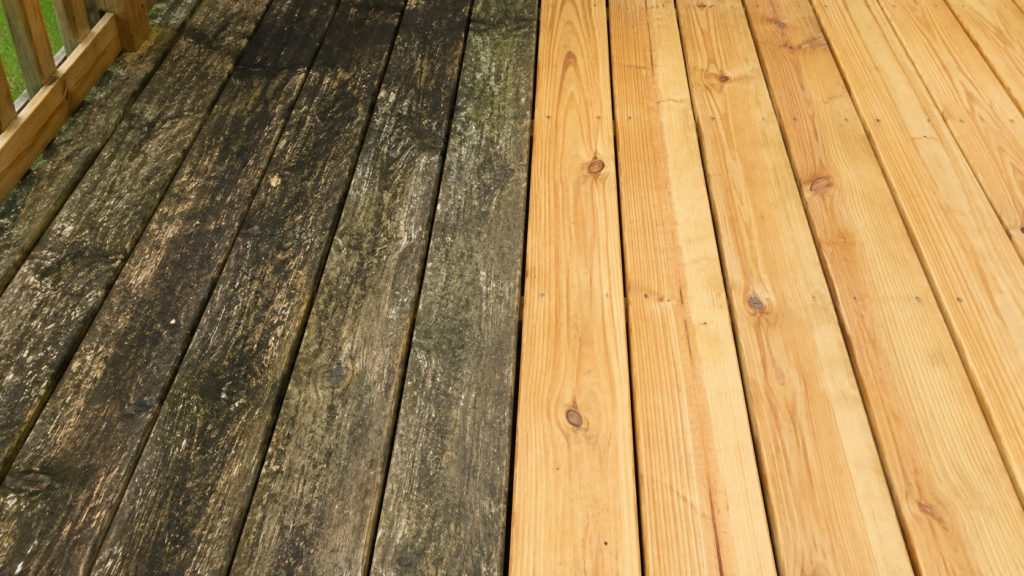
The “30 seconds” refers to the minimum saturation time on light buildup, not a universal cleaning time for every job. Heavier growth on porous surfaces like wood decking or unsealed concrete needs several minutes of contact time, sometimes up to fifteen, before rinsing. Treating every job as a true 30-second fix is the most common reason people feel disappointed with the results. The same prep step applies to wood siding before restaining, since the buildup that dulls a deck shows up on exterior walls too.
Surfaces It Works On (and a Few It Doesn’t)
30 Seconds Outdoor Cleaner is labeled for a wide range of exterior surfaces, which is part of why it’s become a go-to for whole-property cleanups rather than a single-purpose product.
Surfaces it’s designed for include vinyl and wood siding, composite and wood decking, concrete and brick, asphalt driveways, stucco, canvas awnings, plastic outdoor furniture, fences, arbors, and painted exterior surfaces. It’s also commonly used as a prep step before staining, painting, or sealing a deck, since it strips old, non-colorfast stain along with the grime sitting on top of it. That decking coverage makes it just as useful under a fire pit, where ash and heat stains build up faster than on the rest of a deck.
It’s not the right choice for glass. Sodium hypochlorite can etch and streak glass if it’s allowed to dry on the surface, and once that staining happens, it’s very difficult to remove. If overspray hits a window, rinse it off immediately rather than letting it sit for the full saturation window.
How to Mix and Apply 30 Seconds Outdoor Cleaner
1. Concentrate Dilution Ratio
The concentrate formula is mixed 1:1 with water. One gallon of the cleaner mixed with one gallon of water gives two gallons of ready-to-use solution. Once you’ve seen how well full strength works on a given surface, it can be diluted further, up to four times the original mix, though the surface then needs to stay wet with the product roughly four times as long to get the same result.
The ready-to-use quart trigger bottle and the hose-end sprayer versions need no mixing at all. For most homeowners tackling a full driveway, deck, or siding job, a pump or tank sprayer applies the concentrate mix far more evenly and efficiently than a trigger bottle, and it’s the method the manufacturer recommends for larger areas.
2. Application Steps
Apply the product to a completely dry surface. Wet surfaces dilute the solution on contact and weaken how well it penetrates buildup. Saturate the area and keep it wet for the time the label recommends for that surface type: roughly 15 minutes for vinyl siding, 5 minutes for wood (brushing with the grain if buildup is heavy), and around 3 minutes for concrete or masonry. Heavier buildup may need a second application or light brushing before rinsing.
Once the saturation time is up, hose the surface off thoroughly with water. Don’t let the solution dry on the surface, especially on glass, metal fixtures, or dark-colored fabric, where it can cause staining. If you’re working near plants, grass, or landscaping, rinse the foliage with water within about 10 minutes of any overspray. The manufacturer notes that once the runoff reaches soil, it breaks down and disperses harmlessly, but reservoirs, ponds, and streams should be avoided entirely.
Should You Use It With a Pressure Washer?
This is one of the most common points of confusion, and the manufacturer’s own guidance is clear: it’s preferable not to run the concentrate through a pressure washer. The product needs dwell time sitting directly on the grime to break it down chemically. High-pressure water rinses it off too quickly for that reaction to finish, which weakens the result and can leave streaking behind.
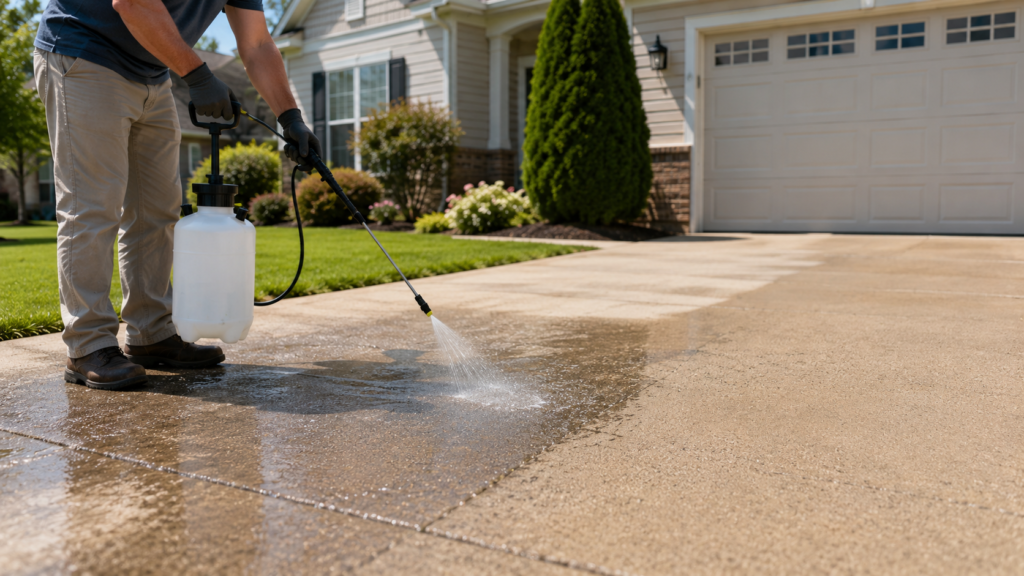
The more effective sequence is to apply 30 Seconds Outdoor Cleaner by hand or pump sprayer first, let it sit for the recommended time, then rinse with a garden hose or a pressure washer set to a low, wide fan pattern. This gets the chemical cleaning benefit without the surface damage that high-pressure water alone can cause on wood, stucco, and older siding.
Safety Precautions Worth Taking Seriously
Because the active ingredient is a bleach compound, treat it with the same caution you would household bleach, at a higher working concentration. Wear gloves and eye protection when mixing and applying, especially with a pump sprayer that can generate fine overspray. Avoid spraying on windy days, since drift can affect nearby plants, painted surfaces, or fabric you don’t intend to treat.
Keep pets away from the treated area while it’s wet, and don’t let them back into the space until it’s been rinsed and has dried. If a pet walks through the solution or gets sprayed directly, rinse them off right away. The product shouldn’t be allowed to enter storm drains, ponds, or any body of water, so plan application around forecasted rain and avoid working directly next to water features.
30 Seconds Outdoor Cleaner vs. Spray & Walk Away
The same manufacturer also sells a product called Spray & Walk Away, and the two get confused often enough that it’s worth clarifying the difference. 30 Seconds Outdoor Cleaner is built for immediate results using a bleach-based active ingredient, rinsed off after a short saturation period. Spray & Walk Away uses a different active ingredient, an ammonium chloride compound, and is designed to be applied without rinsing, letting weather gradually break down algae and mildew over days or weeks rather than minutes.
If you want a driveway, deck, or siding section looking clean today, the Outdoor Cleaner is the right pick. If you’re treating a roof, a shaded north-facing wall, or another spot that’s hard to reach with a hose for rinsing, Spray & Walk Away is often the more practical choice, and the two are frequently used together, one for immediate cleanup and the other for ongoing prevention.
Getting the Best Results From a Bottle
A few habits separate a strong result from a disappointing one. Test any new surface, especially fabric or unfamiliar paint or stain, in a small inconspicuous spot first to confirm it’s colorfast before treating the whole area. Don’t shortcut the saturation time on heavier buildup just because the product name implies speed; porous, heavily stained surfaces genuinely need longer contact. Reapply if the surface is still visibly green or black after the first rinse rather than assuming one pass is always enough.
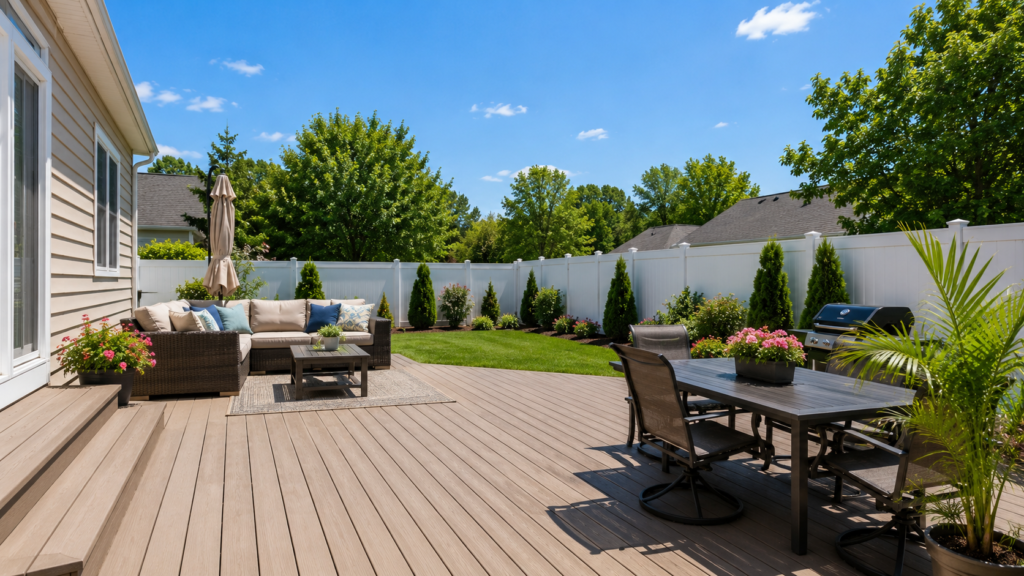
For maintenance between deep cleans, treating decks and siding once or twice a year, especially in humid climates or shaded areas prone to regrowth, keeps buildup from reaching the point where aggressive scrubbing or a second full treatment becomes necessary.
Frequently Asked Questions
1. Does 30 Seconds Outdoor Cleaner remove deck stain?
It can. Because the product isn’t colorfast on stained surfaces, it will lift stain that hasn’t fully cured or penetrated, which is actually useful as a prep step before restaining a deck.
2. Can I use it on composite decking?
Yes. Composite decking handles the product well when the label directions are followed, and it’s a common choice for removing mildew stains from composite boards without the surface damage a pressure washer can cause.
3. How long does it take to see results?
Light buildup on non-porous surfaces can lighten within the recommended saturation window, often 15 minutes or less. Heavier or more porous buildup may need a longer soak or a repeat application.
4. Is it safe for grass and landscaping nearby?
Yes, as long as any overspray on foliage or grass is rinsed with water within about 10 minutes of contact.